
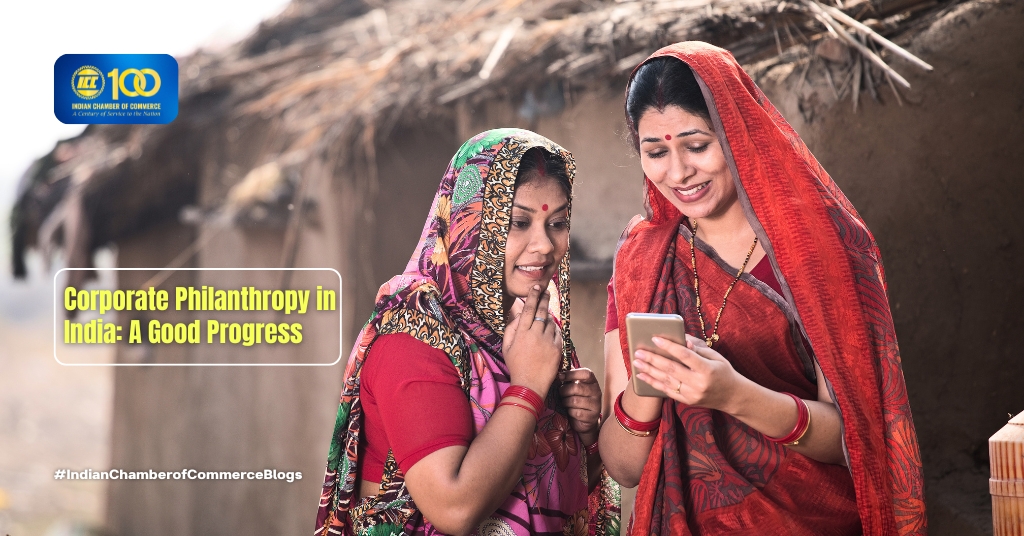
Corporate philanthropy in India is legally mandated under Section 135 of the Companies Act 2013, requiring companies with specified turnover, net worth, or profit to spend 2% of average net profits on Corporate Social Responsibility (CSR). India was the first country to mandate CSR. Eligible companies must invest in projects such as Poverty Alleviation, Education, Gender Equality, and Environmental Sustainability. Top sectors for CSR funding include Education, Healthcare, Rural Infrastructure, and Sanitation. Shri Azim Premji, former Chairman of Wipro, is often called a “Corporate Robin Hood” for his unparalleled philanthropy, having pledged over $29 billion to the Azim Premji Foundation to date, aimed at transforming Indian Education. He is one of India’s most generous philanthropists, having transferred 67% of Wipro’s economic ownership to charitable causes. Ratan Tata redefined Corporate Philanthropy by directing approximately 66% of Tata Sons’ equity capital into philanthropic trusts (Tata Trusts), focusing on Healthcare, Education, Rural Development, and disaster relief. Shiv Nadar, founder of HCL, is one of India’s most generous philanthropists, having established the Shiv Nadar Foundation in 1994 to focus on nation-building through education. He consistently tops philanthropic lists, donating ₹2,708 crore in FY25 to support education, healthcare, and rural development. If we keep adding names, this blog would be multi-paged. Overall, CSR spending has increased at around 10-12% per annum, standing at around Rs 35,000 crore today. If we add pure philanthropic donations, the figure is much higher. Compliance by companies is much higher, according to our estimates; almost all eligible companies are giving back to society.
The challenge today is ensuring high long-term impacts. The big names mentioned earlier have succeeded both in funding and in outcome. But many small trusts need support in ensuring the outcome. Sustained Social Impact needs patient partnerships, strong systems and a shared commitment to measurable outcomes. In such a situation, lending a financial hand to NGOs doing exemplary work may help. Also, some of us have given donations to NGOs for Income Tax Benefits –but now is the time to think beyond Tax Relief, to help all Indians with Food, Clothes, Affordable Health and Employable Education. The Ramakrishna Mission, founded by Swami Vivekananda in 1897, engages in extensive humanitarian social work based on the philosophy of “Service to Man is Service to God” (Shiva Jnane Jiva Seva).
Headquartered in Belur Math in West Bengal, it runs massive Educational, Healthcare, Rural Development, and Disaster Relief projects across India and Worldwide. Some of our members work with them in giving back to Society. Our aim here is not to promote any NGO, but to encourage all, the individual to the Corporate to not only donate but also to ensure tangible outcomes, directly or by tying up with an NGO.